At Rawlings Opticians & Hearing Care, we believe the more we understand about the lenses we recommend, the better care we can provide.
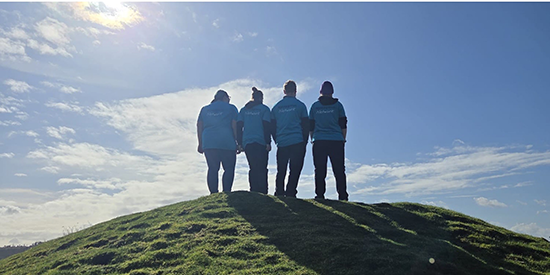
So when we were invited to visit the UK production facility of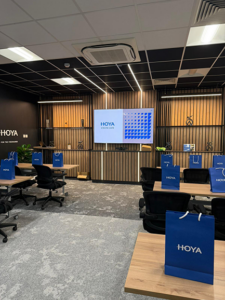 Hoya, seven members of our team made the trip to Wrexham, North Wales for a behind-the-scenes look at how Hoya lenses are manufactured.
Six members of our Hampshire teams travelled together in a tightly packed minibus, while our lucky manager Ant from our Bookham (Surrey) branch opted for a considerably more comfortable solo car journey. Comfort levels aside, we all arrived ready to explore the precision, technology and sustainability behind Hoya’s premium optical lenses.
Inside Hoya’s UK Lens Production Plant
The focus of our visit was to gain a deeper understanding of the at least 24 separate stages involved in producing Hoya lenses. Seeing the process firsthand reinforced the level of expertise, engineering and quality control that goes into every lens dispensed in practice.
Some of the key stages included:
- Digital freeform surfacing technology – ultra-precise lens generation tailored to each individual prescription.
- Advanced polishing and finishing – achieving optical clarity to micron-level tolerances.
- Specialist coating applications – including anti-reflection, scratch resistance and UV protection.
- Rigorous quality control checks – combining automated systems with manual inspection to ensure prescription accuracy and performance consistency.
Understanding this detailed manufacturing process gives us even greater confidence when recommending Hoya lenses to our patients. It also helps us clearly explain the difference premium lenses can make to visual comfort, clarity and long-term durability.
Sustainability at the Core: Zero to Landfill
One of the most impressive aspects of the visit was Hoya’s commitment to sustainability. The Wrexham production facility operates on a “zero to landfill” basis, meaning no factory waste is sent to landfill. Materials are either recycled, reused or recovered for energy — a significant achievement for a high-volume manufacturing site.
Water Reduction
Lens surfacing and polishing traditionally require substantial water usage. Hoya has implemented advanced water management systems that have already reduced consumption by 40%, with further improvements ongoing. This includes recycling processes and efficiency monitoring to minimise environmental impact while maintaining lens quality.
Renewable Electricity
Hoya has also set clear environmental targets, aiming to reach 100% renewable electricity by 2040, with an interim goal of at least 60% by 2030. This long-term strategy demonstrates a genuine commitment to reducing carbon emissions across their operations.
Rewilding and Ocean Plastic Collection
Sustainability extends beyond the factory walls. An adjacent plot of land has been actively rewilded to support biodiversity and create a natural habitat for local wildlife in North Wales.
We also learned about Hoya’s partnership with CleanHub, which connects brands with waste collection partners in coastal communities to recover plastic before it reaches the ocean. Hoya aims to collect 10 tonnes of ocean-bound plastic over the next two years, helping to reduce marine pollution while supporting local employment and transparent waste tracking.
For many patients, sustainable eyewear choices matter — and rightly so. It was encouraging to see environmental responsibility embedded into lens manufacturing at every level.
Why This Matters for Our Patients
Our visit to Hoya’s UK production plant strengthened our knowledge of:
- The 24-stage precision manufacturing process
- Advanced lens technology and coatings
- Strict quality assurance standards
- Zero-to-landfill operations
- Water reduction initiatives
- Renewable energy targets
- Rewilding and ocean plastic collection schemes
This first-hand experience ensures that when we recommend Hoya lenses at Rawlings Opticians & Hearing Care, our advice is informed, transparent and based on real insight.
Despite the slightly uncomfortable minibus journey for six of us, the trip was genuinely invaluable. We returned with deeper technical understanding, renewed confidence in Hoya’s premium lenses, and pride in partnering with a manufacturer committed to sustainability.
If you’d like to learn more about Hoya lenses or discuss the best lens options for your prescription and lifestyle, our team would be delighted to help.
At Rawlings Opticians & Hearing Care, we believe the more we understand about the lenses we recommend, the better care we can provide.
So when we were invited to visit the UK production facility of Hoya, seven members of our team made the trip to Wrexham, North Wales for a behind-the-scenes look at how Hoya lenses are manufactured.
Six members of our Hampshire teams travelled together in a tightly packed minibus, while our lucky manager Ant from our Bookham (Surrey) branch opted for a considerably more comfortable solo car journey. Comfort levels aside, we all arrived ready to explore the precision, technology and sustainability behind Hoya’s premium optical lenses.
Inside Hoya’s UK Lens Production Plant
The focus of our visit was to gain a deeper understanding of the at least 24 separate stages involved in producing Hoya lenses. Seeing the process firsthand reinforced the level of expertise, engineering and quality control that goes into every lens dispensed in practice.
Some of the key stages included:
- Digital freeform surfacing technology – ultra-precise lens generation tailored to each individual prescription.
- Advanced polishing and finishing – achieving optical clarity to micron-level tolerances.
- Specialist coating applications – including anti-reflection, scratch resistance and UV protection.
- Rigorous quality control checks – combining automated systems with manual inspection to ensure prescription accuracy and performance consistency.
Understanding this detailed manufacturing process gives us even greater confidence when recommending Hoya lenses to our patients. It also helps us clearly explain the difference premium lenses can make to visual comfort, clarity and long-term durability.
Sustainability at the Core: Zero to Landfill
One of the most impressive aspects of the visit was Hoya’s commitment to sustainability. The Wrexham production facility operates on a “zero to landfill” basis, meaning no factory waste is sent to landfill. Materials are either recycled, reused or recovered for energy — a significant achievement for a high-volume manufacturing site.
Water Reduction
Lens surfacing and polishing traditionally require substantial water usage. Hoya has implemented advanced water management systems that have already reduced consumption by 40%, with further improvements ongoing. This includes recycling processes and efficiency monitoring to minimise environmental impact while maintaining lens quality.
Renewable Electricity
Hoya has also set clear environmental targets, aiming to reach 100% renewable electricity by 2040, with an interim goal of at least 60% by 2030. This long-term strategy demonstrates a genuine commitment to reducing carbon emissions across their operations.
Rewilding and Ocean Plastic Collection
Sustainability extends beyond the factory walls. An adjacent plot of land has been actively rewilded to support biodiversity and create a natural habitat for local wildlife in North Wales.
We also learned about Hoya’s partnership with CleanHub, which connects brands with waste collection partners in coastal communities to recover plastic before it reaches the ocean. Hoya aims to collect 10 tonnes of ocean-bound plastic over the next two years, helping to reduce marine pollution while supporting local employment and transparent waste tracking.
For many patients, sustainable eyewear choices matter — and rightly so. It was encouraging to see environmental responsibility embedded into lens manufacturing at every level.
Why This Matters for Our Patients
Our visit to Hoya’s UK production plant strengthened our knowledge of:
- The 24-stage precision manufacturing process
- Advanced lens technology and coatings
- Strict quality assurance standards
- Zero-to-landfill operations
- Water reduction initiatives
- Renewable energy targets
- Rewilding and ocean plastic collection schemes
This first-hand experience ensures that when we recommend Hoya lenses at Rawlings Opticians & Hearing Care, our advice is informed, transparent and based on real insight.
Despite the slightly uncomfortable minibus journey for six of us, the trip was genuinely invaluable. We returned with deeper technical understanding, renewed confidence in Hoya’s premium lenses, and pride in partnering with a manufacturer committed to sustainability.
If you’d like to learn more about Hoya lenses or discuss the best lens options for your prescription and lifestyle, our team would be delighted to help.